
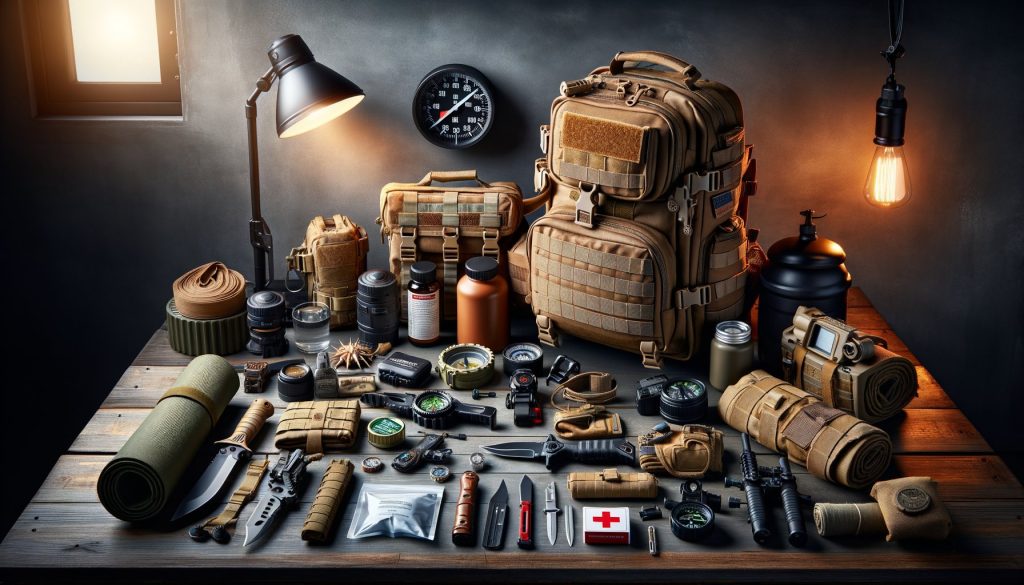
In an increasingly unpredictable world, self-reliance and preparedness have never been more crucial. Imagine this: a severe storm is rolling in, and evacuation orders are issued. Or, perhaps, you’re amid a cyber-attack disrupting all digital communication. Now, it’s time to leave. But are you ready? Can you grab your essentials and head out the door in less than five minutes? This is where the concept of a 72-hour Bug Out Bag (BOB) comes into play. As we move into 2026, it’s more important than ever to have an updated, well-prepared BOB. But what does it include? How is it different from previous years? We’re here to guide you through it, ensuring your safety and preparedness in any crisis.
The Problem: Preparedness in the Modern Age
Our world is evolving faster than ever. Natural disasters are becoming more frequent, and technological threats are growing in prominence. In such a landscape, old survival strategies are no longer sufficient. As such, we need to adapt these strategies to modern challenges. This includes having a 72-hour Bug Out Bag ready at all times.
A Bug Out Bag is a portable kit containing all items one would require to survive for 72 hours when evacuating from a disaster. It’s a concept deeply entrenched in the survivalist movement and has gained mainstream attention in recent years. However, the contents of a BOB have traditionally been geared towards wilderness survival.
While wilderness survival items are still vital, the modern dangers we face require us to rethink what’s truly essential. So, the question arises: how do we prioritize and prepare for a wider range of threats? What items are absolutely necessary to include, and which are just dead weight?
A Deep Dive: The 2026 Bug Out Bag
The key to an effective Bug Out Bag is balance. It needs to cover the essentials: food, water, shelter, and warmth. However, it should also include items that provide for communication, navigation, medical needs, and personal security. The idea is to have a compact, portable kit that can support you in any scenario.
For food and water, include portable, ready-to-eat meals and water purification tablets or a LifeStraw. For shelter, a lightweight emergency tent or tarp and a compact sleeping bag are essential. Items such as a hand-crank emergency radio, a flashlight with extra batteries, and a solar charger for your mobile phone cover communication and navigation needs.
With more digital threats, having a Faraday bag (an enclosure used to block electromagnetic fields) to protect your electronics from potential electromagnetic pulse (EMP) attacks is a wise addition. Your medical kit should be updated to include masks and hand sanitizers, reflecting the lessons we’ve learned from recent pandemics.
Your BOB should also contain personal documents like your passport, cash, and copies of your insurance policies. Remember, the goal isn’t just to survive but to bounce back after the disaster.
Solutions: Practical Steps to Update Your BOB
Given this information, how do you go about updating your Bug Out Bag? The first step is to take inventory of what you currently have. Remove any items that are outdated or unnecessary. This includes perishable food items and anything that isn’t compact or lightweight. Every ounce counts when you’re on the move.
Next, prioritize the essentials: food, water, shelter, and warmth. Make sure you have these basics covered before anything else. Remember, modern doesn’t always mean better. Items such as matches, a compass, and a map are just as crucial now as they have ever been.
From there, start adding in additional items that address modern threats and challenges. Invest in good-quality, durable items. They might cost more upfront, but their reliability and longevity make them a smart investment.
Action Plan: Your Roadmap to Preparedness
Ready to start? Here’s your step-by-step guide to updating your Bug Out Bag for 2026:
-
Inventory your current Bug Out Bag: Remove outdated and unnecessary items.
-
Replenish the essentials: Ensure you have food, water, shelter, and warmth supplies.
-
Invest in survival gear: Include a hand-crank emergency radio, a flashlight with extra batteries, and a solar charger for your phone.
-
Add a Faraday bag: Protect your electronics from potential EMP attacks.
-
Update your medical kit: Add masks and hand sanitizers, along with the usual first-aid items.
-
Secure personal documents: Include your passport, cash, and copies of insurance policies.
-
Review and update regularly: Aim to update your bag at least once a year to ensure it remains current and effective.
Preparedness is not a one-and-done task. It requires regular maintenance and updating. But with this guide, you’ll be well on your way to ensuring your Bug Out Bag is ready for whatever 2026 brings your way.