
Self Reliance Report · DAILY INSTALL

OCTOBER 23, 2026 · ILLUSTRATIVE EDITORIAL COLLAGE
There is food in the freezer. You just cannot find the dinner you remember putting there.
Before you buy it again, give one shelf a name and a quick photo.
SPONSORED · CardioClear7

Your heart works all day. What is in its fuel?
The errands. The stairs. The days that never seem to slow down.
This daily heart-support blend brings CoQ10 together with two other ingredients. Why those three—and what is the connection to energy inside your cells?
Today’s Install: The Freezer Find-It Map
Time: 15 minutes. Cost: Use what you have. Keep: One dated check, photo or household note.
One freezer area has a photo, up to five named items, and one planned meal using food already there.
For your binder: Print this issue or keep the dated note with your household plans.
Action Brief
Read the signal: Cool-weather soups, holiday shopping and batch cooking can all add food to the freezer. The useful question is whether you can still find what you already own.
See the pattern: Food is more useful when you know what it is and where to find it.
Make the move: One freezer area has a photo, up to five named items, and one planned meal using food already there.
The Current Signal
Cool-weather soups, holiday shopping and batch cooking can all add food to the freezer. The useful question is whether you can still find what you already own.
USDA guidance separates safe frozen storage from quality and warns against using outdoor cold as a freezer. Today, make a small map while keeping the door-open time short. This is an inventory task, not a thawing or food-safety test.
The golden nugget: Food is more useful when you know what it is and where to find it.
QUICK SPONSOR · 4Patriots
The outlet is dead. Your phone is next.
The power quits, but the calls, updates and small essentials do not stop. A charged portable power station gives compatible devices another place to plug in—without a fuel-burning engine. Which setup fits the things you need first?
America, 1930: Frozen Food Needed a Whole Route

Illustrated historical reconstruction; not an archival photograph.
In 1930, frozen foods reached a test market in Springfield, Massachusetts. Clarence Birdseye had worked on quick-freezing methods that could preserve food more successfully than slow freezing.
The invention did not end at the moment food became cold. Packages had to move, stay cold and reach customers in a usable form.
The National Inventors Hall of Fame records the early retail launch. Smithsonian collections and histories describe the wider change in how frozen food reached American kitchens.
Imagine a shopper stopping by an unfamiliar freezer case. There is food inside, but buying it raises new questions. How will it travel home? Where will it stay cold? What will happen before it reaches the plate? The shopper is illustrative.
Birdseye's business needed more than an interesting machine. A frozen product depended on the route around it. Storage and distribution had to support the idea.
That makes the story bigger than a single burst of cold. Good handling at one point could be undone by poor handling later. Food that people could not store or use would have limited value to the household.
Today's freezer is familiar enough to make its contents easy to forget. A packet goes behind another packet. A label faces the wall. A second bag gets bought because the first one is buried.
The modern problem is smaller, but the useful question is similar: what needs to happen between storing the food and eating it?
You do not need a new freezer or a full weekend cleanout to answer it. Choose one shelf. Record what is there. Give the next dinner a place you can name while the door is still shut.
The Inka Andes: Stored Food Needed a System

Illustrated reconstruction; not an archaeological photograph.
Along the Inka road system, storehouses held food and other supplies. The buildings were part of a network that helped move resources across a large and varied landscape.
The Smithsonian's National Museum of the American Indian describes these stores, known as colcas, within the wider story of Inka roads, labor and food systems.
Picture several stone storehouses on an Andean slope. Food has been gathered, prepared and carried there. The building is one part of a chain that began far from its doorway. This scene is a reconstruction.
The stored goods were not useful simply because they existed somewhere in the empire. They needed care, a known location and a way to reach the people or work that required them.
Different environments supported different foods and methods of preservation. The Inka used those differences within a wider organized system. It was not a row of modern refrigerators, and it should not be treated as one.
Nor were the stores a private supermarket open to every person on equal terms. They belonged to an imperial system supported by organized labor and authority. That history matters alongside the impressive buildings.
The household comparison is narrower: storage creates a later task. Someone still needs to know what was stored, where it belongs and when it will be used.
An unmarked modern packet can interrupt that chain even inside a working freezer. The cold may be doing its job while the household loses track of the food.
Make the contents visible before the next shopping list. A small map can connect what you have with what you plan to cook. That is the part of the storage system you can improve today without adding another appliance.
The Pattern to Notice
Across BOTH examples, the pattern is this: food is more useful when you know what it is and where to find it.
The Household Lesson
Work with food that is already safely frozen. Keep the door open only briefly and leave vents clear. Do not leave food on the counter while making a full inventory.
An unmarked package is not automatically unsafe, and a dated label does not prove safe handling. Follow USDA guidance for thawing, storage and any power outage.
Your Household Install

Illustrative household example. Use the steps below for your own setup.
Choose one small area. Open one drawer or shelf briefly. Take a clear photo, then close it.
Name what is visible. From the photo, list up to five recognizable items and amounts. Mark anything unknown instead of guessing.
Choose a use-first meal. Pick one known item for an actual meal. Follow its safe thawing and cooking instructions.
Keep the map handy. Put the list on the freezer or shopping note. Mark items off as you use them and update before the next shop.
Measurable win: One freezer area has a photo, up to five named items, and one planned meal using food already there.
Status Check
□ One freezer shelf or drawer has a clear photo.
□ Up to five known items and amounts are listed.
□ One item is matched to an actual meal.
Tool That Fits Today’s Pattern
Your keep-it card: Shelf or drawer ___ / Known items and amounts ___ / Use-first meal ___ / Date ___
The Takeaway
Food is more useful when you know what it is and where to find it.
Stay steady,
Sam McCoy
One useful step. A more capable home.
P.S. What do you buy twice because the first one disappears in the freezer? Hit reply. Forward this to the person who usually makes your shopping list.
P.P.S. Two useful next reads from the Household Resilience Network:
SPONSORED · 4 FOOT FARM BLUEPRINT
A fuller freezer is good. A fresh food source is better.
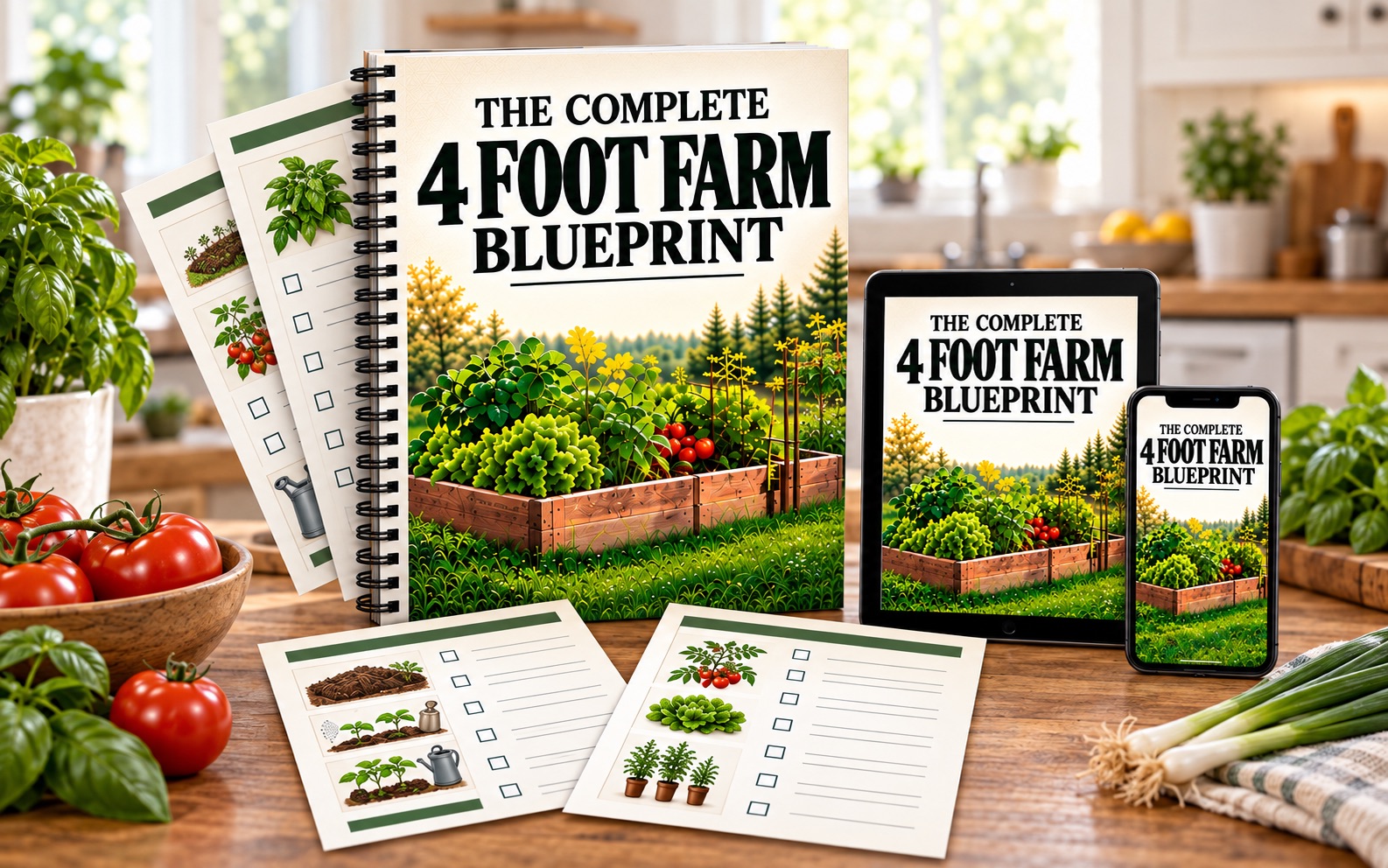
The same lettuce. The same herbs. Another trip to buy them again. What if a small spot at home supplied some of those repeat buys?
The COMPLETE Blueprint from our friends at 4 Foot Farm shows the steps in pictures. Start with one food you already eat, using a container, patio or indoor setup with a simple grow light.
See the first setup—and how to keep more fresh food coming without taking on a whole yard.
Sources reviewed for this issue: USDA FSIS, Freezing and Food Safety; National Inventors Hall of Fame, Clarence Birdseye; Smithsonian National Museum of American History, frozen-food history; Smithsonian NMAI, The Great Inka Road and food-system teaching materials. Seasonal meal-planning edition, October 23, 2026. Historical scenes are illustrated reconstructions.