
Your Daily Install connects what’s happening now with a useful pattern from the past—and one simple step you can take today to make your household more resilient.
Print the action worksheet below, fill it in, and add it to your Household Resilience Network binder.
What’s happening now?
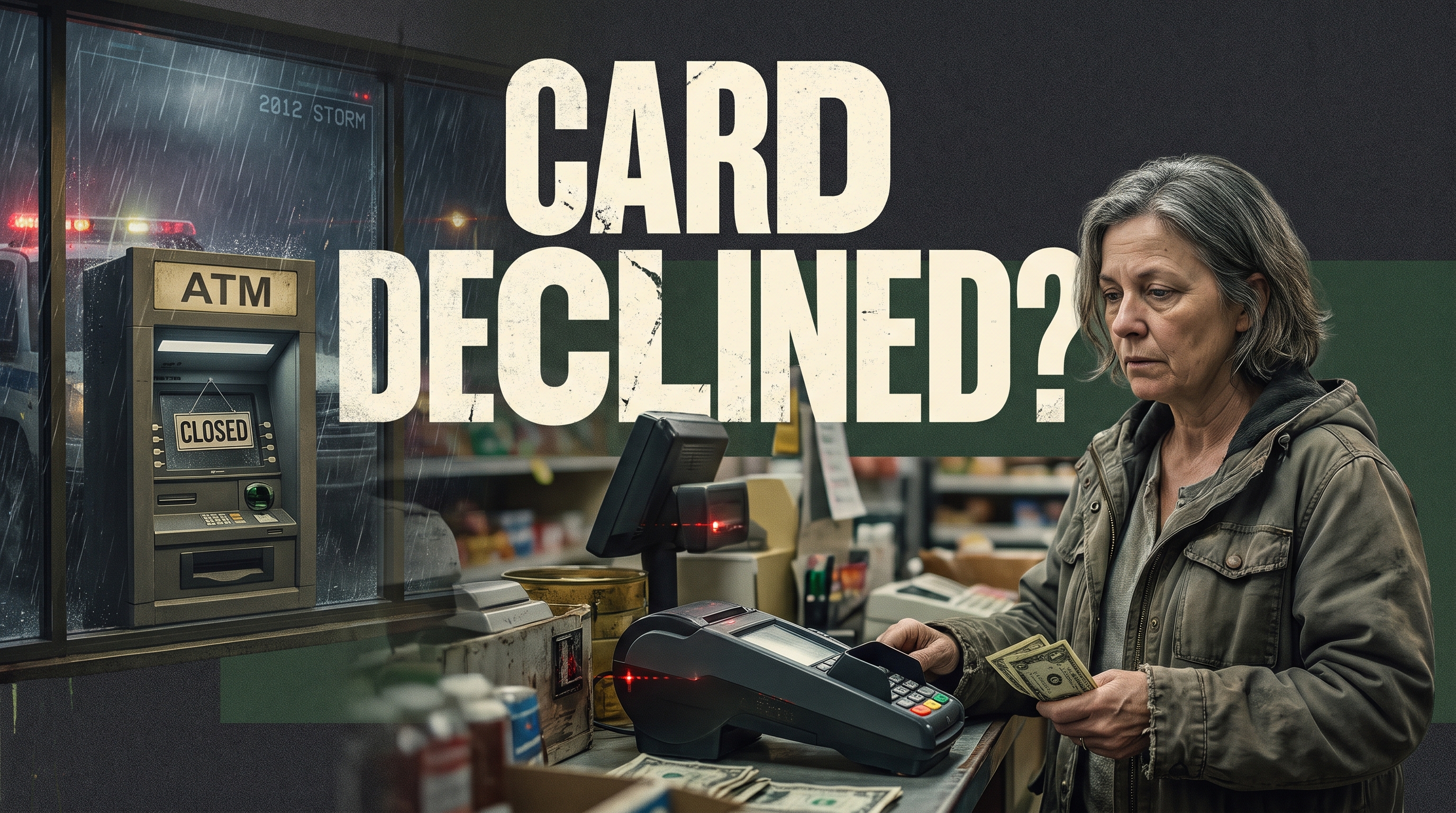
You find the item. You reach the counter. Then the card reader stops working.
As households get ready for winter weather, NOAA’s outlook is a reminder to check more than lights and food. A store can have stock while losing the power or connection needed to take your usual payment.
Having money and being able to use it are different jobs. A modest cash backup can cover one small need when electronic payment fails—if the store can still sell safely.
Has this happened before?
After Sandy struck in October 2012, parts of the Northeast lost power and access to familiar services.
The Federal Reserve’s November report described widespread bank and ATM closings in its Philadelphia district. Much of the disruption was temporary. That did not make the closed machine useful to someone standing in front of it.
Banks and public agencies worked on restoring access. Regulators also encouraged reasonable steps to help affected customers, including changes to ATM withdrawal limits.
What happened next?
The Federal Reserve Bank of New York reported that its cash operations were open after the storm. The wider cash system was still working even while some local access points were not.
The pattern: a supply can exist and still be out of reach at the moment you need it. Keeping a small amount already accessible is different from hoping the nearest ATM will work after the lights go out.
This is not a reason to keep large sums at home. Cash can be lost or stolen. The aim is one modest backup inside your normal budget.
You pull it out. Could it be food?
That yellow weed gets yanked out without a thought. What would someone who knew wild food notice first?
Tap Here to See the Wild-Food Guide →What can I do?
Take 10 minutes and choose one small cash need. Think of a basic meal or another normal purchase you might need during a short outage. Pick an amount you can spare without missing a bill.
Use small denominations so a shop does not have to make change from a large bill. Keep the money in a secure, dry place known only to the right household adult.
Record the amount and review date on a private worksheet. Do not write the hiding place on a sheet you carry or share. If there is no room in the budget today, set a small saving goal instead of borrowing for it.
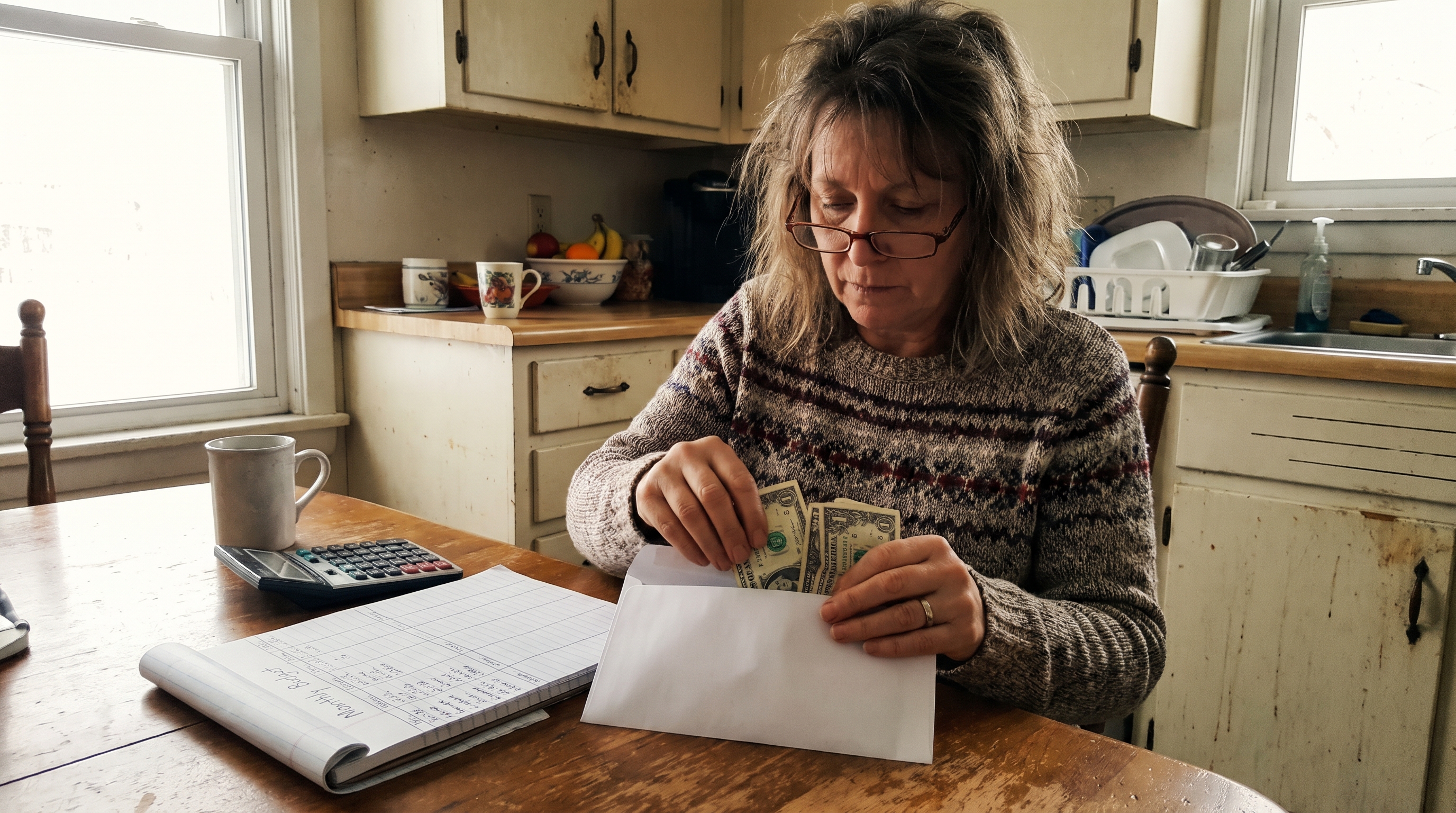
Illustrative household example. Use the worksheet for your own details.
My Small Payment Backup
Date: __________ File under: Household Supplies
1. Give it a job
Small need it will cover:
Affordable target amount:
☐ Fits the budget ☐ Save toward it gradually
2. Check access
Amount set aside privately:
☐ Small bills ☐ Secure, dry storage
Do not write the storage location here.
3. Keep it useful
Date checked:
Used any?
Small amount to replace next:
4. Review
Next review date:
☐ Worksheet kept private
Today’s win: One modest payment backup is set aside securely—or a specific saving amount and date are recorded.
Your phone is dead. Where is the answer?
The screen is dark. The question about food or water is still there.
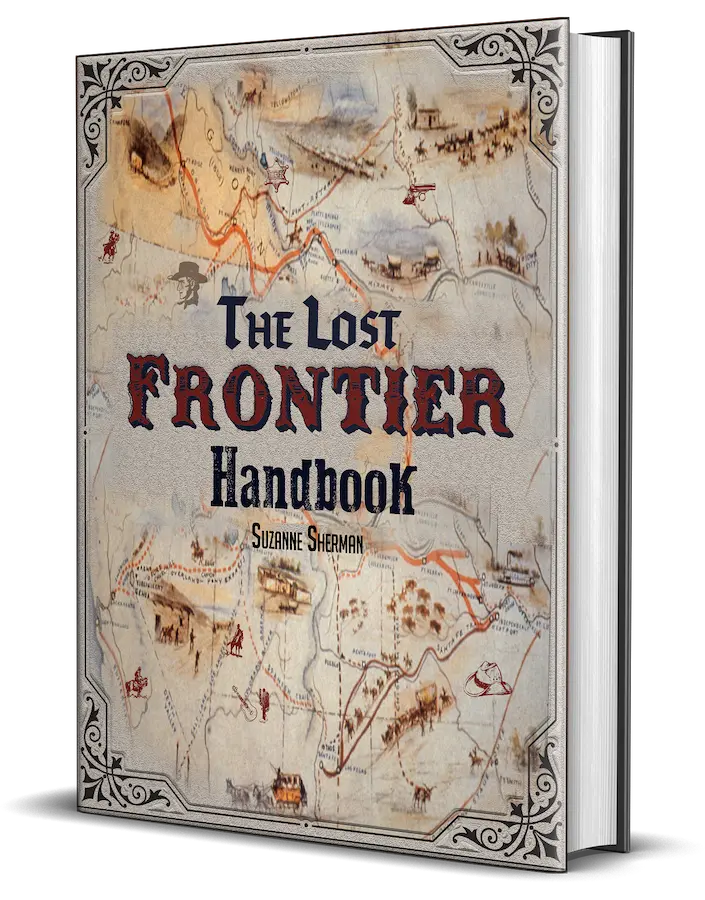
Keep useful know-how where you can reach it without a signal. This illustrated handbook brings old household skills onto the page.
Which skills would you want to learn before you need them? Open the book’s video introduction and look inside.
| Tap Here to Look Inside the Handbook → |
Stay steady,
Sam McCoy
Self Reliance Report
P.S. Have you reached a checkout that could only take cash? Hit reply with the situation, not your cash amount or storage place. Share this with one person who pays for everything by phone.
P.P.S. One useful next read from the Household Resilience Network: Stronghold Install: When the Power Problem Becomes a Water Problem.
Want a small food win at home? Tap Here for the Free Small-Space Food Quickstart →