
Your Daily Install connects what’s happening now with a useful lesson from the past and one small thing you can do at home.
Print the worksheet, fill it in, and add it to your Household Resilience Network binder.
What’s happening now?
You look at the tank gauge. There’s still oil in it. The question is how much heat you’ll use before the truck can come.
The U.S. Energy Information Administration posted its latest heating oil figures on Wednesday, November 4. The survey’s national residential heating oil price was lower than the prior week. It tells you about the price trend across the area surveyed. Your own delivery quote and next available date can differ.
If you have an oil tank, the useful check is the level today alongside the time it takes your supplier to deliver.
Has this happened before?
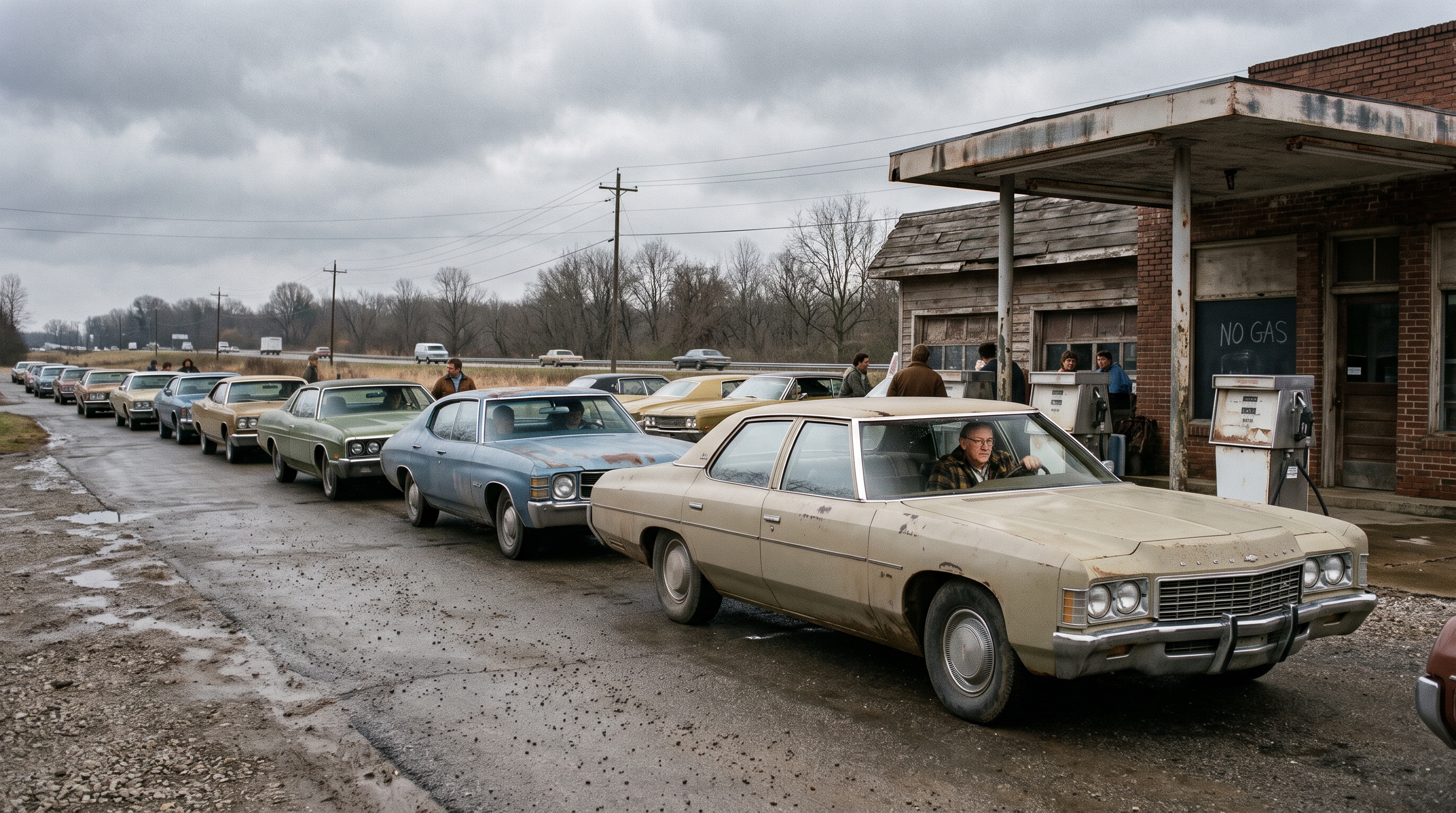
In 1973, Arab oil producers cut exports to the United States and certain other countries. The embargo followed the outbreak of war in the Middle East and lasted into March 1974. Prices rose sharply, and many Americans remember waiting in lines to buy gasoline.
Gasoline lines and home heating deliveries are different parts of the fuel system. The episode still illustrates how access can become a separate problem from price. Knowing the price on the sign would not tell you how long the line was or whether the station would be open when you got there.
The country eventually created a national oil reserve to help handle major disruptions. A household does not need to imitate that response. What it can do is decide how much time to leave between seeing a low gauge and needing more oil delivered.
What happened next?
The current price report does not predict a shortage. It does give you a useful prompt to check your tank before colder weather makes the furnace run more often.
Ask how long a delivery takes before deciding what “low” means. A level that feels comfortable with a one-day wait may feel different if the truck is booked for several days. The supplier can help you choose a reorder mark based on your tank and typical use.
Write it down beside the number you call. That way anyone at home can tell when it’s time to order.
What can you make or fix with what’s already in the shed?
Waiting for a delivery is easier when you have options for some of the other jobs at home. This handbook brings together ways to use familiar tools and supplies.
| Watch the Handbook Preview |
What can I do?
If you heat with oil, take a photo of the safely accessible gauge and write down the reading. Find the supplier’s number and ask about normal delivery time and the level they recommend reordering at. Set a reminder to recheck the dial. If the gauge looks stuck or fuel is already low, contact the supplier rather than trying to service the tank.
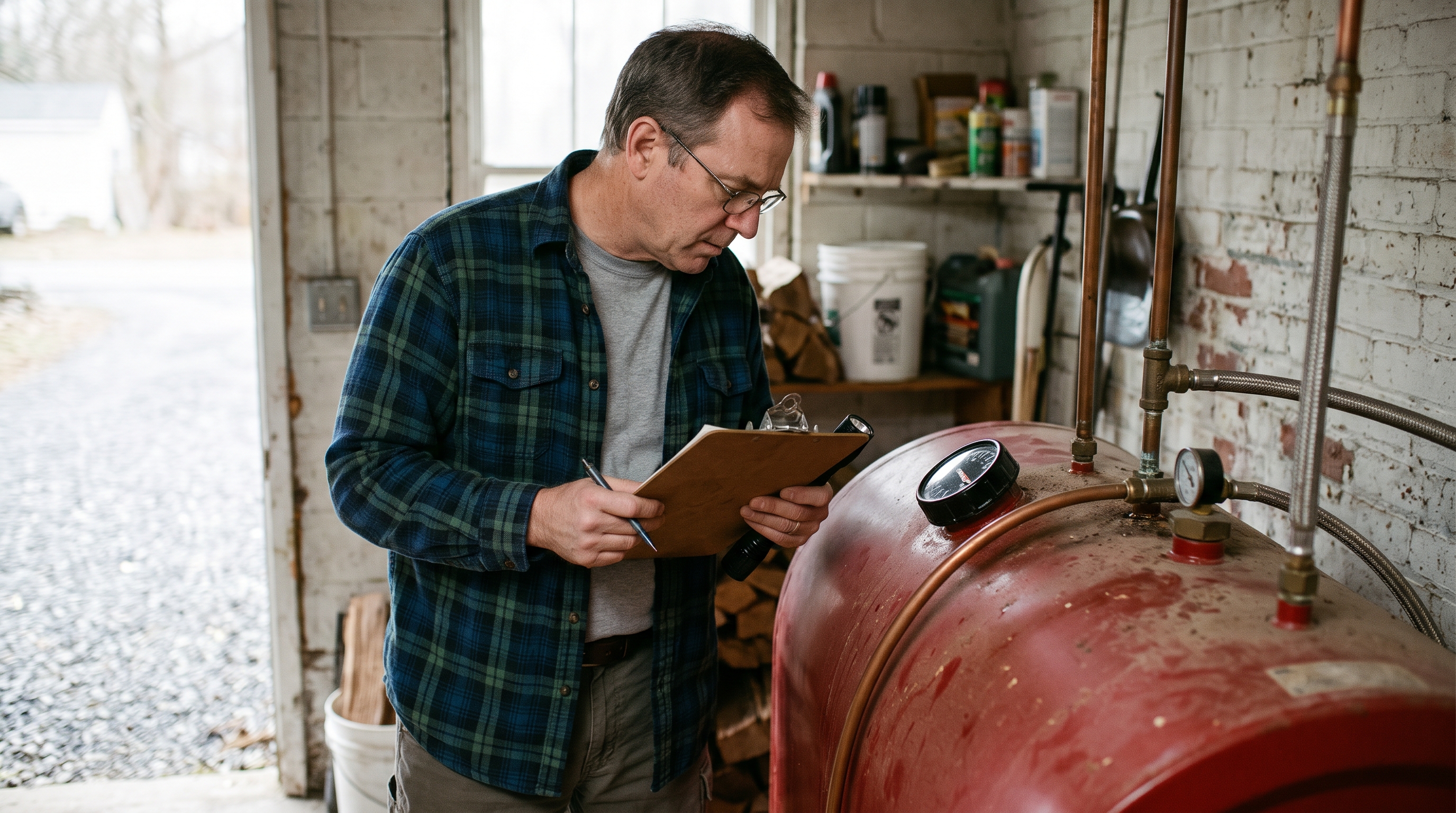
My Heating-Oil Reorder Card
☐ I finished the check or set a date for the next step.
Today’s win: one household knows the gauge mark and number that start the next delivery.
Which fresh food would you like a second source for?

Think of a food that keeps landing in the cart. See how to match it to a small outdoor or indoor growing spot.
| See the Modern Victory Garden → |
Stay steady,
Sam McCoy
Self Reliance Report
P.S. Do you order when the gauge hits a mark, or wait for a price you like? Hit reply and tell me. Forward this to someone who buys their own heating oil.
P.P.S. Two useful next reads: