The blare of the alarm, the gut-wrenching thud, the frantic shouts – these are the signals that your carefully constructed world has just been shattered. In those moments, the thin veneer of civilization melts away, leaving only raw instinct and the skills you’ve diligently honed. Basic first aid is a start, but when SHTF, you need a deeper understanding to navigate true emergencies.
This isn’t about patching up scraped knees. We’re talking about stopping arterial bleeds, managing compound fractures, and stabilizing victims until professional help arrives – if it ever does. This is tactical first aid, a skillset that could mean the difference between life and death when you’re on your own.
Understanding the Tactical Mindset
Tactical first aid isn’t just about medical knowledge; it’s about mindset. It’s about approaching a crisis with calm, calculated action, even when fear is screaming in your ears. You must prioritize, triage, and make tough decisions.
Consider this scenario: A hurricane hits your area, knocking out power and flooding roads. A neighbor is trapped in their collapsed porch with a suspected broken leg and head laceration. Waiting for paramedics isn’t an option. You’re the first responder.
You need to quickly assess the situation: Are there other immediate dangers? Is the neighbor conscious? What are the most pressing injuries? These answers dictate your next moves. This is the tactical mindset: Assessment, Prioritization, Action.
The MARCH Algorithm: A Framework for Survival
ng and provide assistance if needed.
C – Circulation: Evaluate circulation and address shock.
H – Hypothermia: Prevent or treat hypothermia.
Here’s what this means for you: When you implement these strategies, you’ll see tangible improvements in your results. Without taking action, you’ll continue facing the same challenges you’re experiencing now. The choice—and the power to change your situation—is in your hands.
es. Discover the proven 4-step blueprint that lets you produce fresh, organic food in just 4 square feet.
ng> on the limb, above the wound, and tighten until the bleeding stops.
If a tourniquet isn’t enough, or the wound is in an area where one can’t be applied (like the torso), wound packing is critical. Use hemostatic gauze (like QuikClot or Combat Gauze) to pack the wound tightly, applying direct pressure for at least three minutes. Regular gauze can also work, but hemostatic gauze is much more effective.
Securing the Airway: Opening and Maintaining
A blocked airway leads to suffocation. If someone is unconscious, their tongue can relax and obstruct their breathing. Use the head-tilt/chin-lift maneuver to open the airway, unless you suspect a spinal injury. In that case, use the jaw-thrust maneuver.
If there’s vomit or other obstructions, clear the airway with your fingers or a suction device if available. Consider using a nasopharyngeal airway (NPA) or oropharyngeal airway (OPA) to keep the airway open, but only if you are properly trained in their use. Incorrect insertion can do more harm than good.
Always reassess the airway regularly. Breathing can change, and you need to be vigilant. Listen for snoring or gurgling sounds, which indicate airway obstruction. Be prepared to reposition the patient or provide further intervention.
Addressing Respiratory Distress: CPR and Rescue Breathing
Once the airway is open, assess breathing. Is the person breathing adequately? If not, you need to provide rescue breathing or CPR. CPR combines chest compressions and rescue breaths to circulate blood and oxygen to the brain.
Learn proper CPR technique from a certified instructor. It’s a physically demanding skill that requires practice to do effectively. Remember the rate: 100-120 compressions per minute, at a depth of at least 2 inches for adults.
If the person is breathing but struggling, assist their breathing with a bag-valve-mask (BVM) if you are trained. This delivers positive pressure ventilation to help them get enough oxygen. Continuous monitoring is vital.
Managing Circulation and Shock: Recognizing and Treating
Shock is a life-threatening condition where the body’s organs aren’t getting enough blood and oxygen. It can be caused by blood loss, trauma, infection, or allergic reactions. Recognizing the signs of shock is crucial for timely intervention.
Symptoms of shock include: rapid heartbeat, weak pulse, pale or clammy skin, rapid breathing, anxiety, and confusion. If you suspect shock, keep the person warm, elevate their legs (unless contraindicated by injury), and control any bleeding.
If available, consider administering intravenous (IV) fluids, but only if you are properly trained and have the necessary equipment. Otherwise, focus on maintaining airway, breathing, and circulation, and preventing further heat loss.
Hypothermia: Prevention and Treatment in the Cold
Hypothermia is a dangerous drop in body temperature. It can happen quickly in cold weather, especially if someone is wet or injured. Prevention is key: dress in layers, stay dry, and seek shelter from the elements.
If someone is showing signs of hypothermia (shivering, confusion, slurred speech), get them out of the cold and remove any wet clothing. Warm them up gradually with blankets, warm drinks (if conscious and able to swallow), and skin-to-skin contact.
Avoid rapid rewarming, which can cause dangerous heart arrhythmias. Focus on gentle, gradual warming. In severe cases, seek medical attention immediately. Prevention is always better than treatment.
Essential Tactical First Aid Kit Components
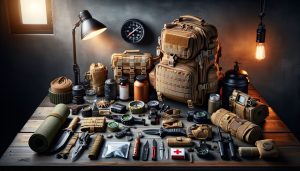
A well-stocked first aid kit is essential for tactical first aid. Don’t rely on flimsy, store-bought kits. Build your own with quality components and tailor it to your specific needs and environment.
Here are some essential items to include:
Tourniquets (CAT or SOFTT-W): At least two.
Hemostatic Gauze (QuikClot, Combat Gauze): For wound packing.
Pressure Bandage (Israeli Bandage): For applying direct pressure.
Chest Seal (HyFin Vent Chest Seal): For penetrating chest wounds.
Nasopharyngeal Airway (NPA): With lubricant.
Trauma Shears: For cutting clothing and bandages.
Medical Tape: For securing bandages and splints.
Gloves (Nitrile): For personal protection.
Emergency Blanket (Mylar): For preventing hypothermia.
Pain Medication (Ibuprofen, Acetaminophen): For pain management.
Antiseptic Wipes: For cleaning wounds.
SAM Splint: For immobilizing fractures.
CPR Mask: For safe rescue breathing.
Medical Guide: A field guide for reference.
Permanent Marker: For writing on tourniquets and bandages.
Training and Practice: Mastering the Skills
Reading about tactical first aid is a good start, but it’s not enough. You need hands-on training and practice to truly master these skills. Take a Stop the Bleed course, a Wilderness First Aid course, or a Tactical Combat Casualty Care (TCCC) course.
Practice applying tourniquets, packing wounds, and performing CPR on mannequins. Run scenarios with your family or preparedness group to simulate real-life emergencies. The more you practice, the more confident and competent you’ll become.
Remember: Complacency kills. Regularly review your skills, restock your first aid kit, and stay up-to-date on the latest medical advancements. Your preparedness could save a life – maybe even your own.
Beyond the Immediate: Long-Term Care Considerations
Tactical first aid isn’t just about the immediate response. In a prolonged emergency, you may need to provide ongoing care for days or weeks. Consider the following:
Wound Care: Clean wounds regularly to prevent infection. Use antiseptic solutions and sterile dressings.
Infection Control: Practice strict hygiene to prevent the spread of disease. Wash your hands frequently and dispose of contaminated materials properly.
Pain Management: Manage pain with medication, rest, and supportive care.
Hydration and Nutrition: Ensure the patient is getting enough fluids and calories to support healing.
Psychological Support: Trauma can have lasting psychological effects. Provide emotional support and encourage the patient to talk about their experiences.
These long-term care considerations are often overlooked but are essential for survival in a prolonged emergency situation. Think beyond the immediate crisis.
Building Your Tactical First Aid Library
Knowledge is power. In a crisis, having access to reliable medical information can be a lifesaver. Build your tactical first aid library with books, manuals, and online resources.
Consider these essential additions:
Where There Is No Doctor: A comprehensive guide to basic medical care in remote settings.
The Survival Medicine Handbook: A guide to medical care in austere environments.
Special Forces Medical Handbook: A detailed manual on advanced medical techniques.
Online resources: Websites like the CDC, Red Cross, and Wilderness Medical Society.
Don’t just collect these resources; study them. Familiarize yourself with the information so you can quickly access it when needed. Make sure you can reliably access electronic resources, even if the power is out. Printed resources are often easier to access in a grid-down situation.
Remember, preparedness is a journey, not a destination. By continuously learning, practicing, and adapting, you can increase your chances of survival in any emergency. Tactical first aid is a critical skill for self-reliance. Master it, and you’ll be better prepared to face whatever challenges come your way.
Take Action: Your Next Steps
Ready to put what you’ve learned into practice? Here are the specific steps to get started:
- Start with the fundamentals – Review the key concepts outlined above and identify which ones apply most directly to your situation.
- Gather your resources – Make a list of any tools, materials, or information you’ll need to implement these strategies effectively.
- Create your action plan – Set specific, measurable goals with realistic timelines for implementation.
- Take the first step today – Choose one action you can take right now to begin your journey toward tactical first aid: beyond basic first aid for emergencies.
- Track your progress – Keep a journal or log to document your results, challenges, and successes along the way.
Remember, the knowledge you’ve gained here is only valuable when you put it into action. Start small if you need to, but start today. Your future self will thank you for taking these steps now.