In January 2026, the fragility of our interconnected world is more apparent than ever. The recent solar flare disruptions, coupled with escalating geopolitical tensions and the ongoing debate regarding infrastructure vulnerabilities, have underscored the critical need for robust, independent communication systems. Relying solely on the grid is a gamble few can afford to take.
When power lines are down, cell towers are silent, and the internet is inaccessible, having alternative communication methods can be the difference between weathering a crisis and succumbing to chaos.
This article will explore practical, empowering, and tactical communication solutions, focusing on radio technology, satellite communication, and the emerging power of mesh networks, providing you with the knowledge and skills to stay connected when everything else fails.
This isn’t just about receiving emergency broadcasts; it’s about maintaining contact with loved ones, coordinating with your community, and accessing vital information when traditional channels are unavailable. Self-reliance demands proactive preparation, and a well-thought-out communication plan is a cornerstone of any effective preparedness strategy.
We’ll delve into the specifics of each technology, highlighting their strengths and weaknesses, providing practical advice on equipment selection, operation, and essential considerations for setting up your own off-grid communication network. Get ready to take control of your communication destiny – the time to prepare is now.
Understanding the Communication Landscape: Why Redundancy Matters
The “single point of failure” is a concept every prepper understands. Relying on a single source of anything – food, water, energy, communication – is a recipe for disaster. A major power outage, natural disaster, or targeted attack can cripple our existing communication infrastructure, leaving us isolated and vulnerable.
Cell towers are often dependent on grid power and can quickly run out of backup battery. Internet infrastructure, while seemingly resilient, is subject to physical damage and cyberattacks. Even satellite communication, while promising, is not immune to solar flares or deliberate interference, as demonstrated by recent disruptions in the LEO satellite constellations. Therefore, redundancy is key.
A multi-layered approach to communication means having several different options available. If one system fails, you have backups in place. Consider a communication plan that incorporates a combination of radio, satellite, and potentially mesh network technologies. Each offers different advantages and disadvantages, and understanding these trade-offs is crucial for building a resilient system. The best approach is to diversify, ensuring that no single point of failure can completely cut you off from the outside world or your designated contacts.
Radio Communication: The Foundation of Off-Grid Preparedness
Radio communication, in its various forms, has been a reliable tool for emergency communication for decades, and continues to be a cornerstone of any preparedness plan. It offers several advantages: affordability, portability, and relative simplicity. However, it also has limitations, including range, licensing requirements, and potential for interference. Let’s break down the most relevant radio technologies for self-reliance:
Here’s what this means for you: When you implement these strategies, you’ll see tangible improvements in your results. Without taking action, you’ll continue facing the same challenges you’re experiencing now. The choice—and the power to change your situation—is in your hands.
- FRS/GMRS Radios: Family Radio Service (FRS) and General Mobile Radio Service (GMRS) radios are popular for short-range communication. FRS radios are license-free but have limited power (0.5 watts) and range. GMRS radios offer higher power (up to 5 watts) and longer range, but require a license from the FCC. These are excellent for neighborhood communication or keeping in touch within a small group. Consider investing in high-quality GMRS radios and obtaining the necessary license to maximize your communication capabilities. Recent updates to GMRS regulations in 2025 have made licensing easier and more affordable, making them an even more attractive option for preparedness.
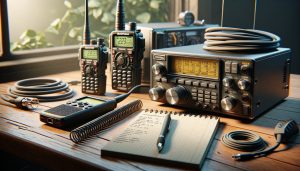
- Ham Radio (Amateur Radio): Ham radio is a versatile communication tool offering a wide range of frequencies and modes. It requires a license, which involves passing an exam demonstrating knowledge of radio theory and regulations. However, the benefits are substantial. Ham radio operators can communicate over long distances, even globally, using a variety of equipment and techniques, including HF, VHF, and UHF bands. Learning about antenna theory and construction is essential for maximizing the range of your ham radio setup. In emergency situations, ham radio operators often provide vital communication services, relaying messages and coordinating relief efforts. A technician license is a good starting point, allowing you to operate on VHF and UHF frequencies, which are useful for local and regional communication.
- Shortwave Radio: Shortwave radio allows you to receive broadcasts from around the world, providing access to news and information even when other communication channels are unavailable. A good shortwave receiver can pick up international news broadcasts, emergency weather reports, and even signals from other ham radio operators. Shortwave is particularly valuable for staying informed about events happening far beyond your immediate area. Invest in a receiver with good sensitivity and selectivity, and experiment with different antennas to optimize reception.
- NOAA Weather Radio: A dedicated NOAA weather radio is crucial for receiving timely alerts about severe weather events. These radios broadcast continuous weather information and warnings, helping you prepare for impending storms, floods, and other hazards. Many NOAA weather radios also have a Specific Area Message Encoding (SAME) feature, which allows you to receive alerts only for your specific county or region.
h their features and limitations. Regularly check and maintain your equipment to ensure it is in good working order. Keep spare batteries and antenna components on hand.
Satellite Communication: Extending Your Reach
Satellite communication offers the potential for global communication, even when terrestrial infrastructure is damaged or unavailable. However, it comes with its own set of challenges, including cost, dependence on satellite availability, and potential for signal interference. Here’s an overview of satellite communication options for preparedness:
- Satellite Phones: Satellite phones provide voice communication via satellite networks. They are relatively easy to use and offer reliable coverage in many parts of the world. However, satellite phone service can be expensive, with high monthly fees and per-minute charges. Consider a prepaid satellite phone plan for occasional use. Iridium, Globalstar, and Inmarsat are the major satellite phone providers, each with different coverage areas and pricing plans.
- Satellite Messengers: Satellite messengers allow you to send and receive text messages, track your location, and send SOS alerts via satellite. These devices are smaller and more affordable than satellite phones, making them a popular choice for outdoor enthusiasts and emergency preparedness. Garmin inReach and SPOT are the leading satellite messenger brands. They require a subscription for service, but the cost is typically lower than satellite phone service.
- Satellite Internet: Satellite internet provides internet access via satellite. It can be a useful option for remote locations where terrestrial internet service is unavailable. However, satellite internet can be slow and expensive, and it is susceptible to weather-related interference. Starlink, a low Earth orbit (LEO) satellite internet service, has emerged as a promising option for faster and more affordable satellite internet. However, its reliability in emergency situations is still being tested, particularly in the face of solar events.
Satellite Communication: Practical Considerations and Mitigating Risks
Before investing in satellite communication equipment, consider the following:
- Coverage Area: Ensure that the satellite service provides coverage in your area of operation. Check coverage maps carefully, as coverage can vary depending on the satellite provider.
- Cost: Satellite communication can be expensive. Compare pricing plans and consider your usage needs.
- Power Requirements: Satellite phones and messengers require batteries or external power. Consider using solar panels to charge your devices.
- Ease of Use: Satellite communication devices can be complex to operate. Practice using your device before an emergency occurs.
- Potential for Interference: Satellite signals can be affected by weather, terrain, and deliberate interference. Be aware of these limitations and have backup communication options available. The recent solar flare activity has highlighted the vulnerability of satellite systems to space weather, emphasizing the need for redundancy.
To mitigate risks associated with satellite communication, consider the following:
- Redundancy: Have backup communication options available, such as radio.
- Signal Acquisition: Practice acquiring a satellite signal in different locations and weather conditions.
- Emergency Contacts: Pre-program emergency contacts into your satellite device.
- Regular Testing: Test your satellite communication equipment regularly to ensure it is working properly.
Mesh Networks: The Future of Local Communication
Mesh networks are decentralized communication networks where devices connect directly to each other, creating a “mesh” of interconnected nodes. This offers several advantages over traditional centralized networks, including increased resilience, scalability, and privacy. When the grid goes down, a local mesh network can provide a vital communication lifeline for your community. The popularity of mesh networks has surged in recent years as awareness of vulnerabilities in traditional communication systems has grown.
- How Mesh Networks Work: Each device in a mesh network acts as a repeater, forwarding messages to other devices in the network. This allows messages to travel long distances, even if individual devices have limited range. If one device fails, the network can automatically reroute messages through other paths.
- Types of Mesh Networks: Several different technologies can be used to create mesh networks, including Wi-Fi, Bluetooth, and specialized radio protocols like LoRa and GoTenna. Wi-Fi mesh networks are common for home and office use, but they require power and internet access. Bluetooth mesh networks are low-power and suitable for short-range communication. LoRa and GoTenna are specifically designed for long-range, low-power mesh networking.
- Setting Up a Mesh Network: Setting up a mesh network involves installing compatible devices and configuring them to connect to each other. Some mesh network systems are plug-and-play, while others require more technical expertise. Consider the range, power requirements, and ease of use of different mesh network systems when making your selection.
Implementing and Securing Your Mesh Network
Creating an effective mesh network requires careful planning and consideration. Here are some practical tips:
- Strategic Placement: Position mesh network devices in strategic locations to maximize coverage and connectivity. Consider elevation, terrain, and potential obstacles.
- Power Backup: Ensure that mesh network devices have backup power sources, such as batteries or solar panels.
- Security: Implement security measures to protect your mesh network from unauthorized access. Use strong passwords and encryption. Regularly update the firmware on your devices.
- Community Involvement: Encourage your neighbors and community members to participate in your mesh network. The more devices in the network, the greater its range and resilience.
- Training: Provide training to users on how to use and maintain the mesh network.
Security is a paramount concern with mesh networks. Implement encryption to protect your communications from eavesdropping. Use strong passwords to prevent unauthorized access to your devices. Be aware of the potential for “man-in-the-middle” attacks and take steps to mitigate this risk. Consider using a VPN (Virtual Private Network) for added security. Stay informed about the latest security vulnerabilities and best practices for securing mesh networks.
Developing a Comprehensive Communication Plan
Having the right communication technology is only half the battle. You also need a well-defined communication plan that outlines how you will use these tools in an emergency. Your plan should include:
- Contact List: Create a list of important contacts, including family members, neighbors, emergency services, and local authorities. Include phone numbers, email addresses, and radio frequencies.
- Communication Protocols: Establish clear communication protocols for different scenarios. Who will be the primary point of contact? How will you share information? What are the emergency frequencies to use for radio communication?
- Meeting Points: Designate physical meeting points in case communication is impossible.
- Information Gathering: Identify reliable sources of information, such as NOAA weather radio, shortwave broadcasts, and trusted websites.
- Practice Drills: Conduct regular practice drills to test your communication plan and identify any weaknesses.
- Plan Documentation: Document your communication plan in writing and share it with everyone in your household or group.
Regularly review and update your communication plan to ensure it remains relevant and effective. Technology changes, family circumstances evolve, and new threats emerge. Your communication plan should be a living document that adapts to these changes. Practice using your communication equipment regularly to maintain proficiency. By taking these steps, you can significantly enhance your ability to stay connected and informed in an emergency.
Conclusion: Taking Control of Your Communication Destiny
In an increasingly uncertain world, relying solely on traditional communication infrastructure is a risky proposition. By embracing alternative communication technologies like radio, satellite, and mesh networks, and developing a comprehensive communication plan, you can significantly enhance your self-reliance and resilience. The events of the past year have demonstrated the importance of being prepared for anything.
Don’t wait for the next crisis to strike. Start building your off-grid communication network today. The knowledge and skills you acquire will not only protect you and your loved ones but also empower you to contribute to the safety and well-being of your community.
Taking control of your communication destiny is an essential step towards true self-reliance in the 21st century.